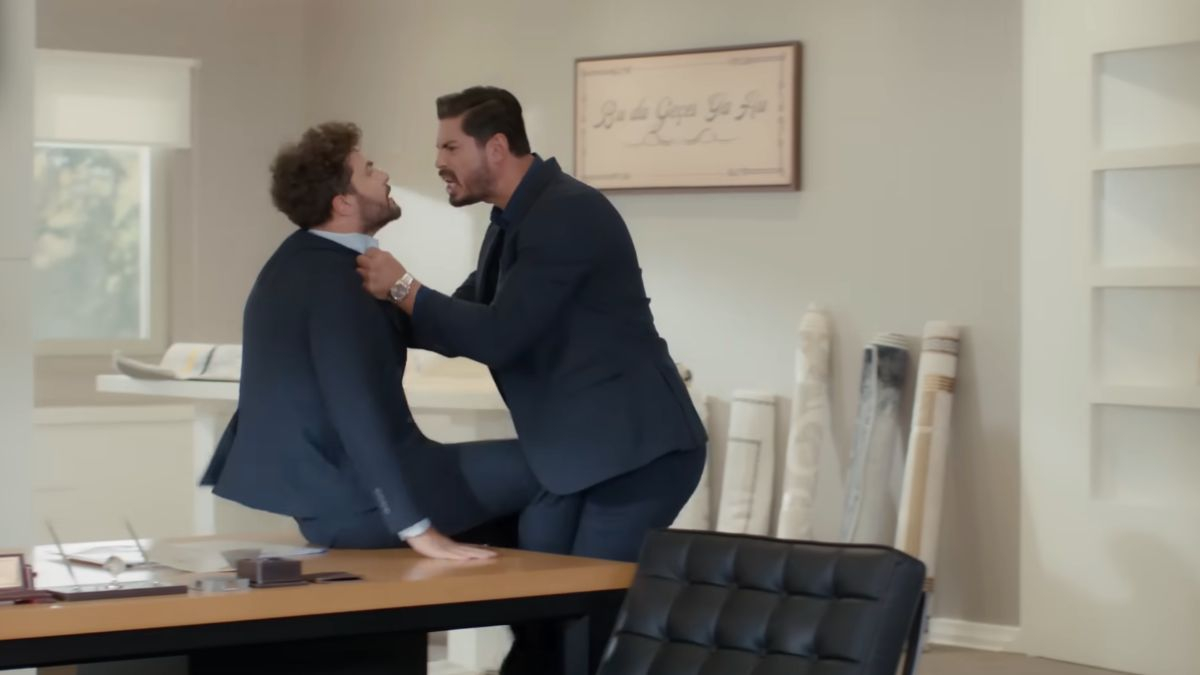
Kevin, are you out of your head?Do you think Im offering you a place because you have money?I feel sorry for you, thats all.
Kevin sat in his wheelchair, staring through the dustcaked window at the street outside. His ward overlooked the hospitals inner courtyard, a tidy little garden with a handful of stalls and flowerbeds, but hardly anyone ever passed through.
It was midwinter, and the patients rarely ventured out for a walk. Kevin was alone in the ward. A week earlier his neighbour, Harry Middleton, had been discharged and gone home, leaving Kevin with a hollow ache.
Harry was a sociable, cheerful lad who knew a million stories and performed them with the flair of a seasoned actor. He was studying drama at university, third year.
Spending time with Harry was never boring. Every day his mother would pop in, bringing fresh scones, fruit, and sweets, which Harry shared generously with Kevin.
When Harry left, the little cosy atmosphere of the ward vanished, and Kevin felt lonelier than ever, as if he didnt matter to anyone.
His gloomy thoughts were interrupted by a nurse entering the room. He sighed deeper when he realised the nurse wasnt the cheery Emma hed hoped for, but the perpetually stern Margaret Whitfield, who seemed forever displeased.
In the two months Kevin had been in the hospital, Margaret had never smiled. Her voice matched the hard line on her face sharp, curt, and unpleasant.
Enough with the sighs, get back in bed! she barked, brandishing a syringe full of medication.
Resigned, Kevin twisted his chair and rolled back to the bedside. Margaret deftly helped him lie down, then turned him onto his stomach.
Undress, she ordered. Kevin obeyed, feeling nothing. Margaret administered the injection with practiced precision, and Kevin silently thanked her each time.
He wondered, How old could she be? She looks like shes already retired, living on a modest pension, which must make her a little bitter.
Margaret finally slipped a thin needle into the faint blue vein on his gaunt arm, causing only a brief wince.
Done. Did the doctor come today? she asked unexpectedly, already gathering her things.
No, not yet, Kevin muttered, shaking his head. Maybe later
Dont linger by the window its draughty and as dry as a prawn, Margaret warned before leaving the room.
Kevin wanted to retort, but the nurses harsh words carried a hidden strand of care. Even if it was rough, it was still care something he had long been denied.
Kevin was an orphan. His parents perished in a fire when he was four, the only survivor of the blaze that claimed the rest of his family. A singed scar on his shoulder and wrist reminded him of that night; his mother, with her last strength, had thrown him through a shattered window onto the snow before the roof collapsed.
He was taken to a childrens home. Relatives existed, but none were willing to take him in. From his mother he inherited a gentle, dreamy nature and bright green eyes; from his father he got height, a lanky gait, and a knack for numbers.
Memories of his parents were fragmentary, like fleeting scenes from an old film: his mother waving a bright flag at a village fęte, the warm summer breeze on his cheek as he perched on his fathers shoulders. He also recalled a large ginger cat, called either Murchik or Barsik. All family photographs had been destroyed in the fire.
No one visited him in the hospital; there was simply no one left. When Kevin turned eighteen, the state allocated him a small, bright room on the fourth floor of a councilrun hostel. He liked living alone, though occasional waves of sorrow threatened to overwhelm him. Over time he learned to accept solitude and even found its advantages.
Yet his orphanage childhood haunted him when he saw other children with parents on playgrounds, in supermarkets, or simply walking the streets of Manchester. Bitterness crept in.
After school Kevin hoped to enter university, but his exam scores fell short, and he ended up at a technical college. He liked the courses and found his chosen field engaging, but the other students kept their distance. Quiet and introverted, Kevin had little to discuss with them beyond coursework.
Socialising with the girls was equally difficult; his shy nature made him unappealing compared to the more assertive lads. At eighteen and a half he still looked no older than sixteen, earning him the nickname the white rabbit among his peers a label that didnt bother him much.
Two months ago, hurrying to a lecture, Kevin slipped on an icy pavement in a subway tunnel and broke both legs. The fractures were complex, healing slowly and painfully, but the last few weeks had shown improvement.
He hoped for an early discharge, but anxiety lingered: his flat had no lift or wheelchair access, and he would still have to rely on a wheelchair for a long while.
After lunch, Dr. Richard Abbott, a trauma specialist, entered the ward. After examining Kevins legs and xrays, he said:
Kevin, good news. Your bones are finally knitting together as they should. In a few weeks youll be on crutches. Theres no point staying here much longer; youll continue treatment as an outpatient. The discharge paper will be ready within the hour. Anyone waiting for you?
Kevin nodded silently.
Excellent. Ill call Margaret; shell help you gather your things. Stay healthy, and try not to end up back here.
Kevin offered a quiet Ill try.
The doctor winked and left. Kevin began to consider his next steps when Margaret reentered.
Why are you still sitting? Youre being discharged, she said, handing him a backpack that lay under the bed. Pack up. Nina Clarke will change your linens shortly.
Kevin packed his few possessions, feeling Margarets eyes on him.
Why did you lie to the doctor? she asked, tilting her head slightly.
What do you mean? Kevin replied, puzzled.
Dont play the fool, Kevin. I know no one will come for you. How will you get home?
Ill manage somehow, he muttered.
You wont be walking for at least another halfmonth. How do you expect to live?
Ill figure it out; Im not a child.
Suddenly Margaret sat on the edge of the bed and looked straight into his eyes.
Kevin, I know this isnt my business, but with injuries like yours youll need help. You cant do it alone.
Ill manage on my own.
You wont. Ive been in nursing for over a decade. Why argue like a child? she snapped.
Whats your point? he asked.
My flat is a few streets away, two flights of stairs, no lift. The room is empty, and I could use a hand. Once youre on your feet you can go back home. I live alone; my husband died years ago, and I never had children.
Kevin stared, stunned. Living with a stranger felt odd, but he had long stopped hoping anyone else would look after him.
Why are you so quiet? Margaret asked, frowning.
Its uncomfortable, and Kevin trailed off.
Stop pretending, Kevin. Its awkward to stay in a wheelchair in a house without a lift or ramp, she said bluntly. So, will you come stay with me?
Kevin hesitated. On one hand, moving into a strangers home was unsettling; on the other, his recovery would be slow, and Margaret, despite her gruff exterior, had shown genuine concern: Did you close the window? Its chilly, Eat that cheese, its full of calcium, and the like had become a routine. She was the only person in the whole world ready to help him.
Alright, he finally said, but I have no money. My scholarship wont arrive for a while.
Margarets face hardened again, then softened a touch.
Kevin, are you out of your mind? You think Im inviting you because youll bring money? I feel sorry for you, thats all.
I just I didnt mean to offend, Kevin began, then stopped, apologising.
Im not offended, she replied. Lets get you to the sister ward for a while; my shift ends soon and well go.
Margaret lived in a modest, tidy cottage with narrow windows. Inside were two small, cosy rooms; one of them became Kevins.
The first days he was shy, rarely leaving his room, careful not to burden his new host.
Seeing his hesitance, the elderly nurse said plainly:
Stop being shy. Ask for what you need; youre not a guest.
In truth Kevin loved the place: snow drifts outside the windows, the cheerful crackle of a woodburning stove, the smell of homecooked stew all reminders of his own lost childhood home.
Days passed. The wheelchair remained in the corner, then was replaced by crutches. The time came to return to the city.
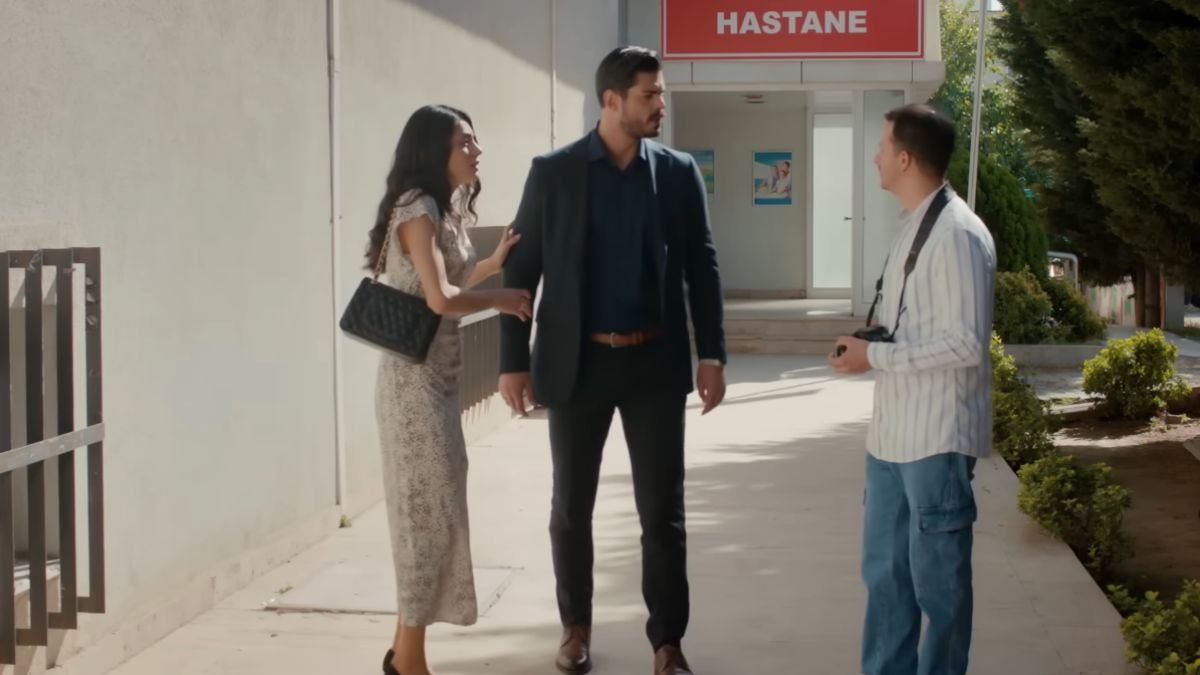
After a routine visit to the community clinic, Kevin, leaning slightly on his crutches, walked alongside Margaret, chatting about the weeks ahead.
I need to sit exams, finish my modules. Ive lost so much time, it feels like a nightmare. I dont even want to go back to college.
Take it easy, Margaret advised. Your technical college wont disappear. The doctor said you must reduce the load on your legs for now.
Over the weeks they grew close. Kevin found himself reluctant to leave the snug cottage and the kind, steady woman who had become a second mother to the orphaned boy. He could not bring himself to admit this, even to Margaret.
One morning, while looking for his phone charger, Kevin turned and saw Margaret standing in the doorway, tears glistening. Without thinking, he stepped forward and hugged her tightly.
Will you stay, Kevin? she whispered through sobs. What will I do without you?
And he stayed.
Years later, Margaret took a place of honour at Kevins wedding, seated beside his bride as a mother would be. A year after that, she cradled her greatgranddaughter in the maternity ward, a baby named after her.
Through the twists of fate, Kevin learned that kindness can wear a rough coat, but underneath it lies a heart willing to shelter the lonely. He discovered that even when the world seems cold and indifferent, a single act of compassion can turn a stranger into family.
The lesson lingered: **it is not the wealth we possess but the care we give that truly defines a home.**The summer air was thick with the scent of lilacs when Kevin walked down the aisle, his steps steadier than he had ever imagined. Margaret stood at the front, a quiet smile carving lines of pride across her weathered face, her hand resting lightly on the arm of the woman beside herKevins partner, Maya, whose laughter had once seemed like a distant echo in the corridors of the hospital.
As the vows were spoken, Kevin felt a strange, comforting weight settle over his chest, not from the words themselves but from the presence of the woman who had first offered him a roof when the world had turned its back. When the ceremony concluded, Margaret slipped a small, folded piece of paper into his pocketa handwritten note, ink slightly smudged from years of use.
Later, in the glow of the reception hall, Kevin unfolded it. The script was simple:
*Remember the night the fire took everything but the fire in you. You are not alone again.*
His eyes brimmed, and he glanced up to see Margaret watching, her eyes glistening with the same unshed tears that had once flooded the hallway of the cottage. He crossed the room, took her hand, and whispered, Thank you for being the fire that never went out.
The years that followed stretched like a tapestry of ordinary miracles. Kevins career in engineering blossomed; he designed wheelchairfriendly ramps for the very hospital that had once confined him. Maya and he opened a small community centre on the same street where his flat once stood, offering free tutoring and a warm kitchen to anyone who knocked on the door. Margaret, though older, found a new purpose as the centres advisory board chair, her sharp tongue now softened by the laughter of children who called her Nanny Margaret.
One crisp autumn morning, as golden leaves spiraled down the courtyard of the centre, a tiny hand slipped into Kevins palm. The babys eyesbright green, like his ownblinked with curiosity. Maya placed the newborn on his shoulder and said, Shes named after the woman who taught us how to stand again.
Kevin looked at Margaret, who was watching from a nearby bench, her gaze steady and full of love. He felt the full circle of his life: the orphaned boy who had once stared through a dusty window, the stern nurse who had become his anchor, the partner who had opened his heart, and now the next generation cradled in his arms.
In that moment, the world seemed to hum with a quiet certainty. The walls that had once felt like barriers were now doors, each opening onto stories of resilience, compassion, and the unbreakable bond forged between two unlikely souls. And as the baby cooed, Margaret rose, walked over, and placed a gentle kiss on the childs forehead, whispering, Welcome home.